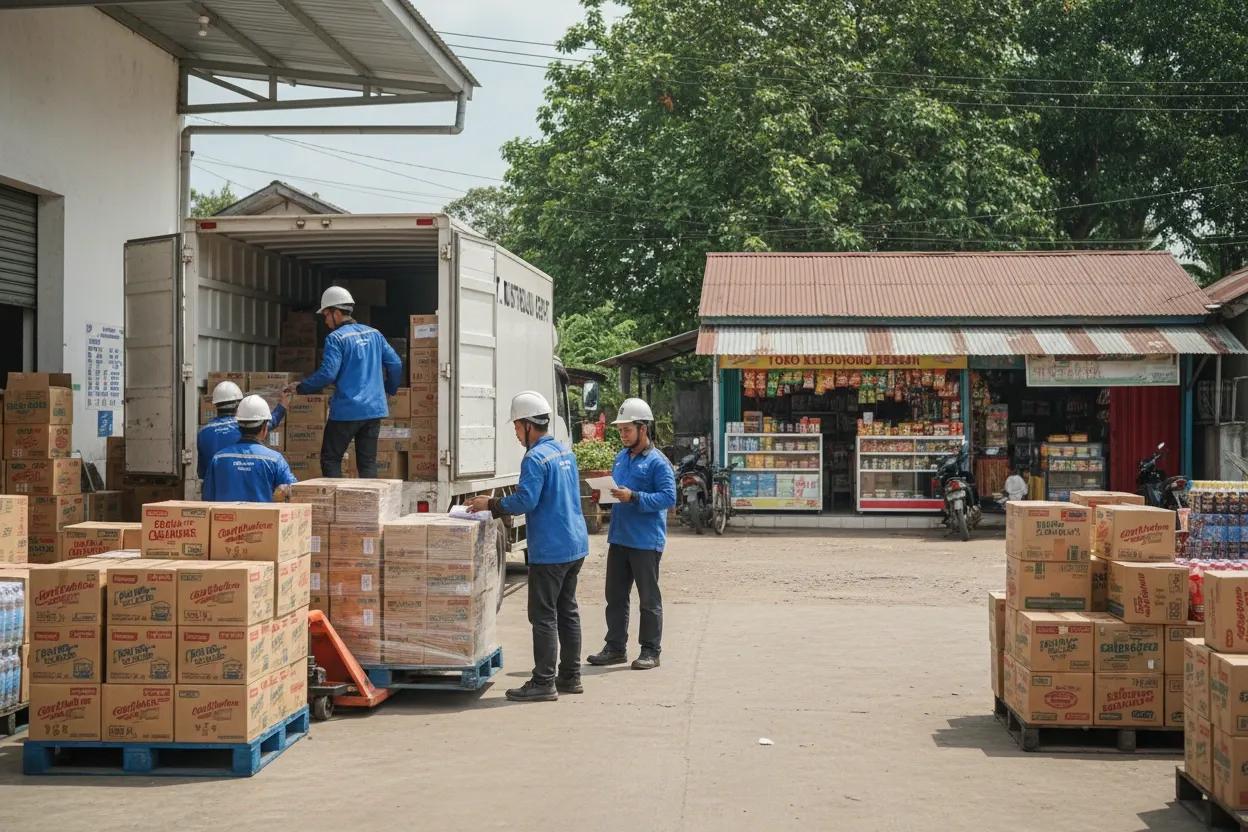
Distribution channels are a vital part of the supply chain. While businesses invest heavily in sourcing quality suppliers and producing top-tier products, how those products reach customers can ultimately determine success.
Even with the best suppliers in place, without an efficient network, products may sit idle in warehouses, miss peak demand periods, or fail to reach customers on time.
What is a Distribution Channel?
A distribution channel is the network a company uses to deliver its products or services from the producer to the final customer. It plays a critical role in bridging the gap between production and consumption.
This process often involves multiple parties, including distributors, wholesalers, retailers, and online platforms. Each of these parties contributes to moving the product efficiently through the supply chain.
Function of Distribution Channel in FMCG
Distribution networks play a vital role in ensuring the success of FMCG businesses. Beyond simply moving products, they create efficiency, provide market intelligence, and maintain product availability in a highly competitive environment.
- Bridging Producers and Consumers
These networks act as the essential link between producers and end consumers. Without them, products would not reach the market effectively. A well-managed network directly impacts sales performance and revenue by ensuring efficient product flow. - Delivering Market Insights
These channels serve as a valuable source of market information, including consumer behavior, demand patterns, and emerging trends. These insights enable FMCG businesses to improve sales forecasting and make more accurate predictions about future demand. - Streamlining Processes
An efficient distribution channel helps optimize delivery time and reduce operational costs. By improving logistics and coordination, products can reach the market on schedule without generating unnecessary expenses. - Ensure Product Availability
A strong distribution network ensures product availability in the market. This helps maintain customer satisfaction and prevents lost sales opportunities due to stock shortages. - Optimizing Product Handling
They also support proper product management, including storage, packaging, and transportation. This is especially important for FMCG products, which often have limited shelf life and require careful handling to maintain quality.
Types of Distribution Channel
- Direct
In a direct channel, the producer delivers products straight to the consumer without any intermediaries. This approach gives the company full control over pricing, brand image, and customer experience. However, it requires significant investment to build and maintain the process and infrastructure needed for direct delivery. - Indirect
An indirect channel leverages third parties, such as wholesalers or retailers, to distribute products to the market. This method reduces costs and expands reach more quickly, making it a practical choice for companies seeking to optimize their supply chain. - Hybrid
A hybrid channel combines direct and indirect approaches, allowing businesses to reach more market segments without losing control over parts of the distribution flow.
How to Choose the Right Distribution Network?
Choosing the right network for delivering your products is not a one-size-fits-all decision. Every business has unique characteristics, so the strategy should align with product type, target market, available resources, and operational goals. Here are the key factors to consider:
- Cost and Margin
If your product has a thin margin, a direct may be more profitable. Conversely, if the goal is market penetration and high sales volume, indirect can be more advantageous. - Target Market
For urban areas, e-commerce and social commerce platforms are highly effective. Meanwhile, traditional or regional markets often rely on wholesalers or local retailers to ensure products reach the end consumer. - Digitalization
Modern businesses can leverage technology to make product delivery faster and more efficient. Distribution management software and online marketplaces help streamline workflows, track inventory in real time, and optimize the overall supply chain. - Speed and Efficiency
When selecting a channel, consider logistical capabilities, including warehousing, transportation, and shipping costs. - Product Characteristics
The nature of your product greatly influences choice. Perishable goods require fast and efficient channels. Durable products, on the other hand, can use indirect or hybrid. - Scale
Large companies with sufficient capital may build their own network. Smaller businesses often benefit from partnering with established distributors or marketplaces to expand their networks quickly.
Manage Your Distribution Channel with BOSNET Distribution Management Systems (DMS)
Take full control of your operations with BOSNET Distribution Management Systems (DMS), a digital platform designed to optimize every step of your supply chain. From tracking inventory to monitoring product movement, BOSNET solutions ensures your products reach the right place and time.
Our solutions provide real-time insights into stock levels, delivery schedules, and channel performance. With BOSNET DMS, businesses can minimize delays, reduce costs, and protect your assets by making the entire process efficient and transparent.
Contact us today to see how BOSNET can help you streamline your distribution.
#BOSNET #BestFMCGRunsBOSNET #Distribution #SupplyChain #IncreaseRevenue #ReduceCost