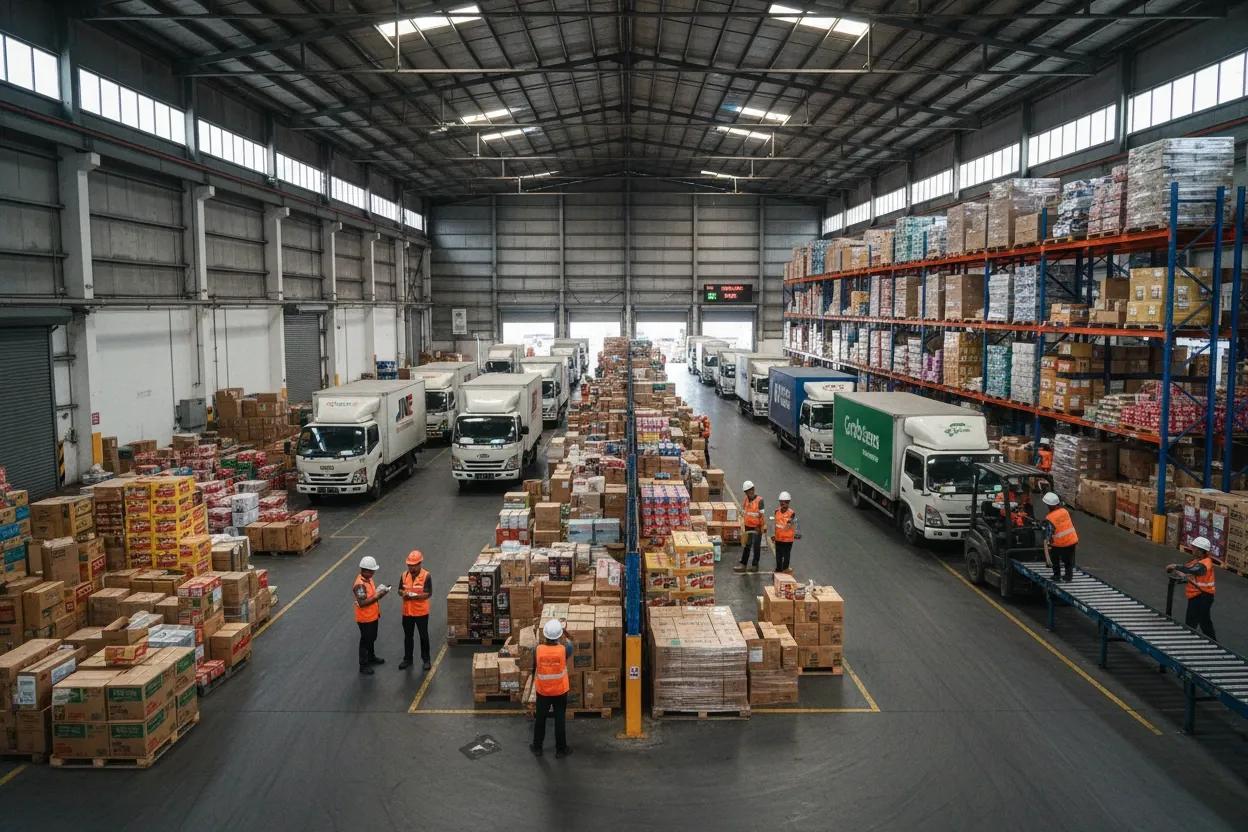
High distribution cost is one of the biggest operational challenges for businesses in retail, FMCG, manufacturing, and logistics industries. Expenses continue to increase over time, especially when operational processes are still managed manually or across separate systems.
Without proper distribution management, businesses may face delayed deliveries, inefficient warehouse operations, high transportation expenses, and reduced profit margins.
What is Distribution Cost?
Distribution cost refers to the total expenses a business incurs to move products from the warehouse to the end consumer. These costs are an important part of daily operations because they cover every stage involved in delivering goods to customers.
For many businesses, distribution costs account for around 15-30% of total revenue, depending on the industry, delivery model, and scale. Managing these expenses carefully helps companies maintain healthy profit margins while keeping products available and accessible to customers.
Types of Distribution Cost
Distribution costs are generally grouped into four major categories, they are:
- Inventory
When businesses purchase products from suppliers, the inventory is usually stored in a warehouse before being distributed to customers or retail locations. This storage process creates inventory costs that vary depending on the quantity of goods and storage duration.
Inventory costs may include:
• Warehouse rental and storage fees
• Inventory monitoring and stock checking
• Product handling and organization
• Inventory management systems - Handling
Some products require special handling during storage and transportation. This is common for high-maintenance items such as perishable or semi-perishable products.
Handling costs may include:
• Temperature-controlled storage spaces
• Specialized transportation fleets
• Additional product inspection processes
• Protective packaging and handling procedures
Industries such as food, beverage, and pharmaceuticals often face higher handling costs due to product sensitivity and storage requirements. - Marketing
Businesses invest in promotional activities to increase product visibility and attract customers across different markets.
Marketing-related distribution costs can include:
• Print advertising
• POSM
• Billboards and outdoor media
• Radio promotions
• Brochures and promotional materials
• Digital marketing campaigns
Discount programs and promotional offers are also part of marketing costs because they directly impact sales. - Fleets and Shipping
Delivery operations usually account for a large portion of total distribution costs. These expenses cover the movement of products from warehouses to end consumers, retailers, or distribution partners.
Fleet and shipping costs may include:
• Fuel and transportation expenses
• Delivery vehicle maintenance
• Driver and logistics staff salaries
• Shipping service fees
Route planning and delivery operations
Many FMCG companies use route optimization applications to improve delivery efficiency. These systems help businesses identify faster and better delivery routes, reduce transportation expenses, and improve delivery scheduling.
Examples of Distribution Cost
Distribution costs can include various operational expenses involved in moving products from production facilities to customers. These expenses are commonly found across manufacturing, retail, and logistics operations.
Some common examples include:
- Storage costs
Expenses related to warehousing, inventory handling, and product storage before delivery. - Sales point expenses
Operational costs associated with retail outlets, distribution centers, or sales locations. - Production
Costs connected to preparing products for market distribution, including handling and allocation processes. - Employee
Salaries, wages, and benefits for employees involved in warehousing, logistics, delivery, and distribution activities. - Freight
Transportation expenses for moving goods between suppliers, warehouses, distributors, and retailers. - Packing
Expenses for packaging materials, labeling, and packing processes used to prepare products for shipment.
Why You Should Calculate Distribution Cost
Distribution costs have a direct impact on several areas of business operations. Calculating these expenses helps companies manage pricing, profitability, and market competitiveness with better accuracy.
- Margin
High distribution costs can reduce profits, especially when logistics, storage, and delivery expenses continue to increase. In industries where profit margins are already narrow, controlling this cost can be the deciding factor between a sustainable operation and one that consistently underperforms financially. - Competitive Advantage
Low expenses can help businesses reduce prices and improve their position in the market. Companies with efficient distribution operations often have better flexibility in pricing, delivery, and market coverage. This creates a competitive advantage by helping the business stand out from competitors and attract higher sales opportunities. - Pricing
Distribution cost is a direct component of the Cost of Goods Sold (COGS), which means it heavily influences how a product is priced in the market. When the distribution process is well-managed and cost-controlled, businesses are in a position to offer customers a competitive price point without sacrificing margin.
BOSNET Distribution Software to Reduce Distribution Cost
BOSNET provides end-to-end solutions designed to help FMCG businesses manage operations, improve visibility, and reduce operational expenses across the supply chain.
- Distribution Management System (DMS)
The BOSNET Distribution Management System helps companies manage distribution activities in real time. The platform connects principals, distributors, and sales teams within a single integrated system, allowing data to move across the organization.
With an integrated system, businesses can monitor sales activities, inventory movement, order processing, and delivery performance with better accuracy and visibility. - Warehouse Management System (WMS)
The Warehouse Management System is designed to control, manage, and optimize warehouse operations from inbound to outbound processes. The system covers inbound receiving, inventory storage, picking, packing, and outbound distribution within a single platform.
By improving warehouse visibility and operational control, businesses can reduce handling errors, improve inventory accuracy, and manage warehouse activities with better efficiency. - Smart Route
BOSNET Smart Route helps businesses identify the best delivery routes for distribution activities. By utilizing real-time data, the system automates route planning and determines efficient delivery paths for drivers.
This solution helps companies reduce transportation expenses, minimize travel time, improve delivery scheduling, and increase productivity. With optimized route planning, businesses can deliver products faster while maintaining cost efficiency across distribution operations.
150+ Renowned Brands Trust BOSNET for Their Distribution
Over 150 brands rely on BOSNET to manage their distribution and sales processes efficiently. BOSNET provides an end-to-end solution for distributors to track operations, performance, and sales in real time.
Contact us to see how BOSNET can streamline your operations and deliver real-time visibility across your distribution network.
#BOSNET #BestFMCGRunsBOSNET #Distribution #SupplyChain #IncreaseRevenue #ReduceCost