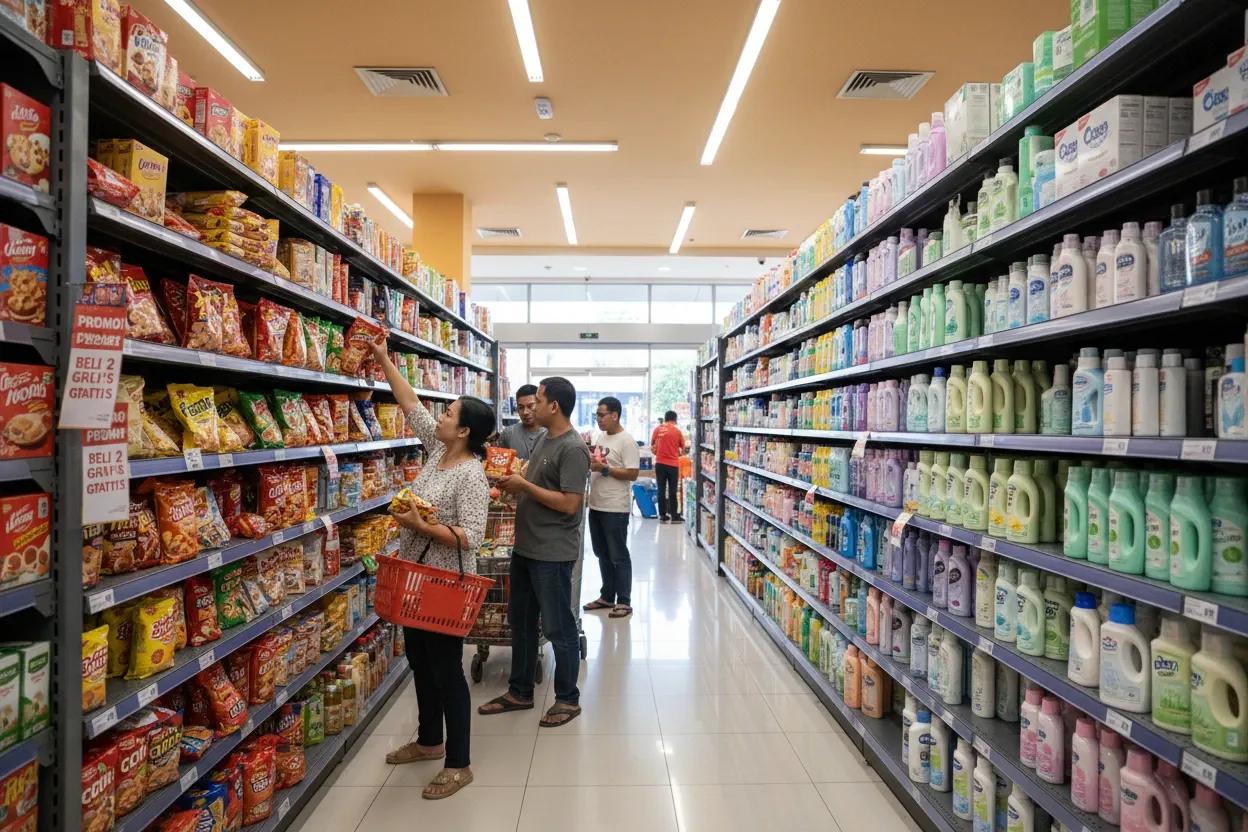
Market demand is constantly changing, and this directly affects how inventory moves within a warehouse. Some products experience high demand, leading to high sales and frequent stock replenishment. These are commonly known as fast moving products.
On the other hand, certain items sell at a much slower pace due to lower market demand. As a result, they tend to stay longer in storage and have lower inventory turnover, often referred to as slow moving products.
What are Fast Moving Goods?
Fast moving goods are products that move quickly through the supply chain due to high demand and frequent sales. These items typically have a high inventory turnover rate, meaning they are sold and replenished in short cycles.
In general fast moving goods are characterized by:
- High inventory turnover
- Consistent and stable demand
- High sales volume
- Relatively short shelf life
This category often includes Fast Moving Consumer Goods (FMCG) such as food, beverages, pharmacy, personal care, tobacco, and building material. However, it can also cover operational items like automotive parts, oil, and filters that are frequently used and regularly restocked.
What are Slow Moving Goods?
Slow moving goods are products with low inventory turnover, meaning they take longer to sell and remain in storage for extended periods.
- Slow moving goods are characterized by:
- Low and fluctuating customer demand
- Longer storage time in the warehouse
- Low sales volume and inventory turnover
- Less frequent restocking
Because of their slower movement, these goods require careful inventory planning to avoid overstock and excess storage costs.
Differences Between Fast Moving and Slow Moving Goods
- Demand
High turnover products are driven by high and consistent customer demand, which leads to rapid sales and frequent replenishment. In contrast, slow moving products typically experience lower demand, resulting in longer storage periods. - Risk
Items with high turnover generally carry lower financial and inventory risk due to their quick movement. Meanwhile, low turnover goods tend to present higher risk, as extended storage increases operational costs and raises the possibility of dead stock. - Turnover Ratio
High-turnover inventory is replenished frequently to maintain availability and avoid stockouts. On the other hand, low-turnover items move slowly through the system and often remain in storage for extended periods before being sold. - Cash Flow Management
Rapidly sold inventory supports faster cash inflow, improving overall cash flow performance. Conversely, slower selling stock can delay revenue realization and tie up working capital in unsold goods. - Impact on Inventory
Poorly managed high-demand items may lead to stock shortages, requiring timely replenishment to maintain supply continuity. In contrast, slow moving inventory can increase storage costs and the risk of excess stock.
Benefits of Managing Fast Moving and Slow Moving Goods with Warehouse Management System
Effective inventory control is essential to balance fast and slow moving goods. Most businesses rely on a warehouse software to minimize risks such as overstock, dead stock, and rising storage costs.
- Real-Time Monitoring
Provides up-to-date visibility of stock levels, inventory conditions, and product demand. This allows businesses to respond quickly to changes and avoid shortages or excess stock. - Automate Warehouse Process
Streamlines daily operations through automation, including order processing, stock replenishment, stock opname, and performance reporting. This reduces manual errors and improves operational efficiency. - Demand Forecasting
Uses historical sales data and market trends to predict future demand. With better forecasting, businesses can determine the right timing for restocking and reduce the risk of stockout. - Optimize Inventory
Improves space utilization by organizing storage areas more efficiently. Fast-moving items are placed for easy picking and packing, while slow moving goods are stored in designated areas to optimize space and improve workflow efficiency.
BOSNET Warehouse Management System (WMS) for Fast and Slow Moving Goods Management
BOSNET Warehouse Management System automates warehouse operations, providing FMCG businesses with real-time tracking and full visibility across all locations. Our solution keeps stock accurate and easy to manage, reducing errors and improving efficiency in handling both fast moving and slow moving goods within a single integrated system.
With its self-correcting system, BOSNET Warehouse Management System automatically updates inventory records based on the latest physical activity, delivering precise data for smarter decision-making and helping FMCG businesses increase revenue, reduce costs, and protect assets.
Contact us to see how BOSNET can optimize your warehouse.
#BOSNET #BestFMCGRunsBOSNET #Distribution #SupplyChain #IncreaseRevenue #ReduceCost