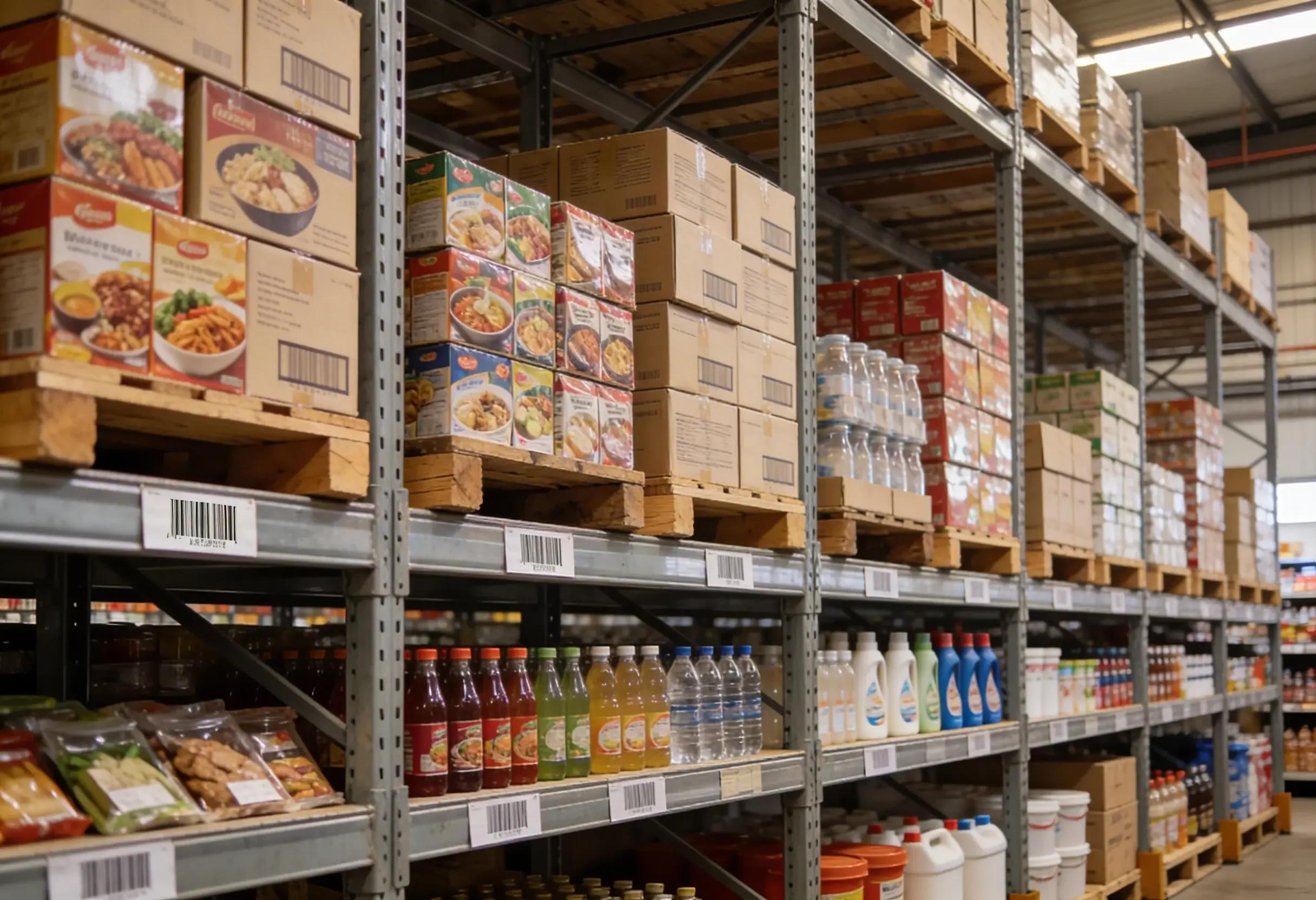
Asset management plays a critical role in ensuring operational efficiency in the fast-moving FMCG industry. With assets spread across warehouses, retail outlets, and field operations, businesses often struggle to maintain visibility and control.
In an increasingly competitive market, companies are expected to execute faster, report more accurately, and allocate resources more effectively. Without clear monitoring systems and data-driven insights, inefficiencies can directly impact profitability and growth.
What is Asset Management?
Asset management in the Fast-Moving Consumer Goods (FMCG) sector involves tracking, maintaining, and optimizing all assets, from promotional materials and marketing resources to machinery, logistics equipment, retail fixtures, and digital assets.
The goal is to ensure every asset is used effectively, helping businesses maximize ROI, minimize downtime, and improve operational efficiency. With proper asset management, companies gain full visibility of their resources, enabling smarter decisions, better accountability, and more impactful marketing and sales operations.
Challenges in Managing Assets
Managing assets effectively is critical for business continuity, operational efficiency, and cost control. However, several challenges often hinder proper asset management
- Lack of Visibility
A key challenge in asset management is the limited visibility of assets. Many businesses lack accurate information about the assets they own, their condition, location, and whether they are used in accordance with standard operating procedures. Especially when assets are distributed across multiple areas. - Compliance Issues
Assets are subject to various regulations and compliance requirements. Non-compliance can result in financial penalties, legal consequences, or reputational damage. Businesses must regularly review applicable regulations and ensure that all assets are managed in full compliance to mitigate risks. - Not Utilizing Asset Management Software
Many businesses do not utilize asset management software, which can significantly improve oversight and control. Such software enables monitoring of asset usage, scheduling of maintenance, and training of staff. Proper implementation ensures efficient asset utilization, reduces errors, and enhances operational performance.
Asset Management Strategies to Improve Efficiency
- Manage Asset Lifecycles
Effective asset lifecycle management ensures that every asset delivers value throughout its life. This involves budgeting, cost analysis, and regular review of depreciation records to understand the current value of assets.
By planning for timely replacements and evaluating lifecycle costs, businesses can optimize asset usage, prevent unexpected expenses, and make informed investment decisions. - Optimize Inventory Management
Inventory itself is a key asset in FMCG operations. Optimizing inventory involves strategically managing storage, picking, and packing through advanced Warehouse Management Systems (WMS).
Automated replenishment systems can reorder stock automatically when levels fall below predefined thresholds, ensuring that products remain available, reducing stockouts, and improving overall operational efficiency. - Ensure Compliance
Ensuring compliance means verifying that all assets are installed, positioned, and used in accordance with regulations and standards. This includes checking whether equipment, POSM displays, and merchandising items are placed correctly in stores. Proper compliance not only protects the business and customers but also ensures consistent brand presentation and operational reliability across all locations. - Leverage Data and Insights
By monitoring key performance indicators (KPIs), businesses can measure the impact of their assets on sales, brand visibility, and operational efficiency. Use these insights to identify gaps, optimize resource allocation, and make smarter, evidence-based decisions that improve overall operations. - Maintain Equipment
Regular maintenance is crucial for extending equipment lifespan and preventing unexpected breakdowns. Schedule store visits to enable merchandisers to monitor assets, including machinery, in-store equipment, and delivery vehicles. In addition, tracking the location and condition of movable assets ensures that all resources are available when needed and in optimal working condition. - Streamline Digital Assets
All digital assets, including product images, campaign content, and marketing files, should be well-organized and easily accessible. Ensuring teams always use the latest approved files prevents errors, maintains brand consistency, and improves workflow efficiency. Providing field teams with quick access to these assets also supports marketing, training, and merchandising activities effectively. - Manage Promotional Materials
Promotional materials are critical for driving brand visibility and sales. Ensure POSM displays, merchandising items, and promotional assets are installed in the right locations and aligned with marketing campaigns.
Capture photo evidence and status updates to confirm correct placement and usage. Proper management ensures promotional materials generate maximum impact and deliver measurable results.
150+ Renowned Brands Trust BOSNET for Their Distribution
Effective FMCG sales require strategy, technology, and operational excellence. By leveraging BOSNET solutions, distributors can optimize sales performance, streamline distribution, and stay competitive in 2026 and beyond.
Over 150 brands trust BOSNET to efficiently manage their distribution and sales.
Contact us to see how BOSNET can streamline your operations and provide real-time visibility across your distribution network.
#BOSNET #BestFMCGRunsBOSNET #Distribution #SupplyChain #IncreaseRevenue #ReduceCost