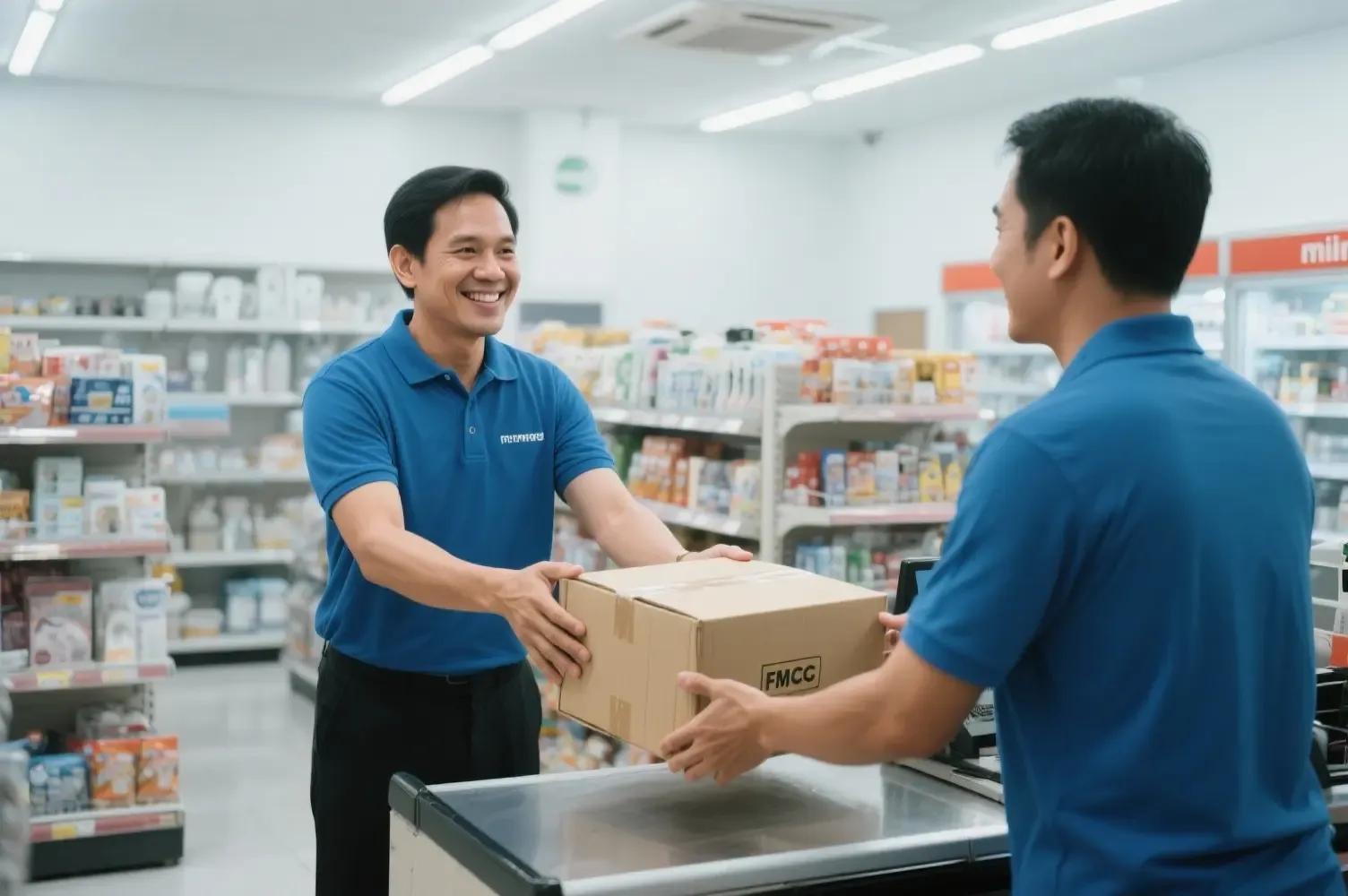
The FMCG (Fast-Moving Consumer Goods) industry is one of the most competitive markets worldwide. With products that sell quickly and in high volumes, distributors and sales teams face constant pressure to maintain market share and maximize revenue. Effective strategies for FMCG sales are essential for success in this challenging environment and for improving performance and growth.
Key Characteristics of FMCG Sales
FMCG sales involves managing the distribution and sale of fast-moving products such as packaged foods, beverages, personal care items, cosmetics, and household goods. Key characteristics of FMCG include:
- High turnover and low margins
Products move quickly through the supply chain. - Wide distribution networks
Covering modern retail, traditional stores, and e-commerce. - Rapidly changing consumer behavior
Influenced by trends, promotions, and convenience.
Success in FMCG sales requires a combination of strong operational control, market understanding, and efficient distribution management.
Challenges in FMCG Sales
- Intense Market Competition
Numerous brands compete for the same shelf space, making product differentiation and strong brand visibility crutial. - Fast Product Movement
High product turnover requires accurate inventory management and timely deliveries to prevent stockouts and lost sales. - Complex Distribution Channels
Managing multiple outlets, distributors, and regions requires real-time data, coordination, and operational control. - Changing Consumer Preferences
Shifts toward health-conscious products, sustainability, and online shopping require flexible and adaptive sales strategies.
Core Strategies for Success in FMCG Sales
- Optimize Distribution Network
Efficient distribution is critical to FMCG sales performance. Align sales territories, improve outlet coverage, and ensure timely deliveries. Implementing tools such as Distribution Management Systems (DMS) helps centralize operations and provides real-time visibility into inventory and sales performance. - Leverage Technology and Data
• Sales and Inventory Analytics
Track sales patterns and stock levels with DMS to make accurate demand forecasts and avoid stockout.
• Mobile Sales Applications
Enable field sales teams to track activities, manage orders, and capture outlet-level insights using Mobile Salesman.
• Warehouse and Delivery Management
Improve warehouse efficiency and delivery accuracy through WMS, Smart Route planning, and Mobile Delivery. - Strengthen Customer Engagement
• Conduct reguler outlet visits to maintain relationships.
• Implement targeted promotions and loyalty programs.
• Monitor product availability and visibility on shelves at all points of sale. - Build and Empower Sales Teams
• Provide training on product knowledge, upselling, and negotiation.
• Define clear KPIs and monitor performance consistently.
• Support structured workflows and accountability through digital tools. - Monitor Performance and Refine Strategies
• Track sales results by outlet, region, and product category.
• Measure promotion effectiveness and adjust campaigns accordingly.
• Use insights to optimize inventory allocation and sales planning.
150+ Renowned Brands Trust BOSNET for Their Distribution
Effective FMCG sales require strategy, technology, and operational excellence. By leveraging BOSNET solutions, distributors can optimize sales performance, streamline distribution, and stay competitive in 2026 and beyond.
Over 150 brands trust BOSNET to manage their distribution and sales efficiently. Contact us to see how BOSNET can streamline your operations and provide real-time visibility across your distribution network.
#BOSNET #BestFMCGRunsBOSNET #Distribution #SupplyChain #IncreaseRevenue #ReduceCost #ProtectAssets