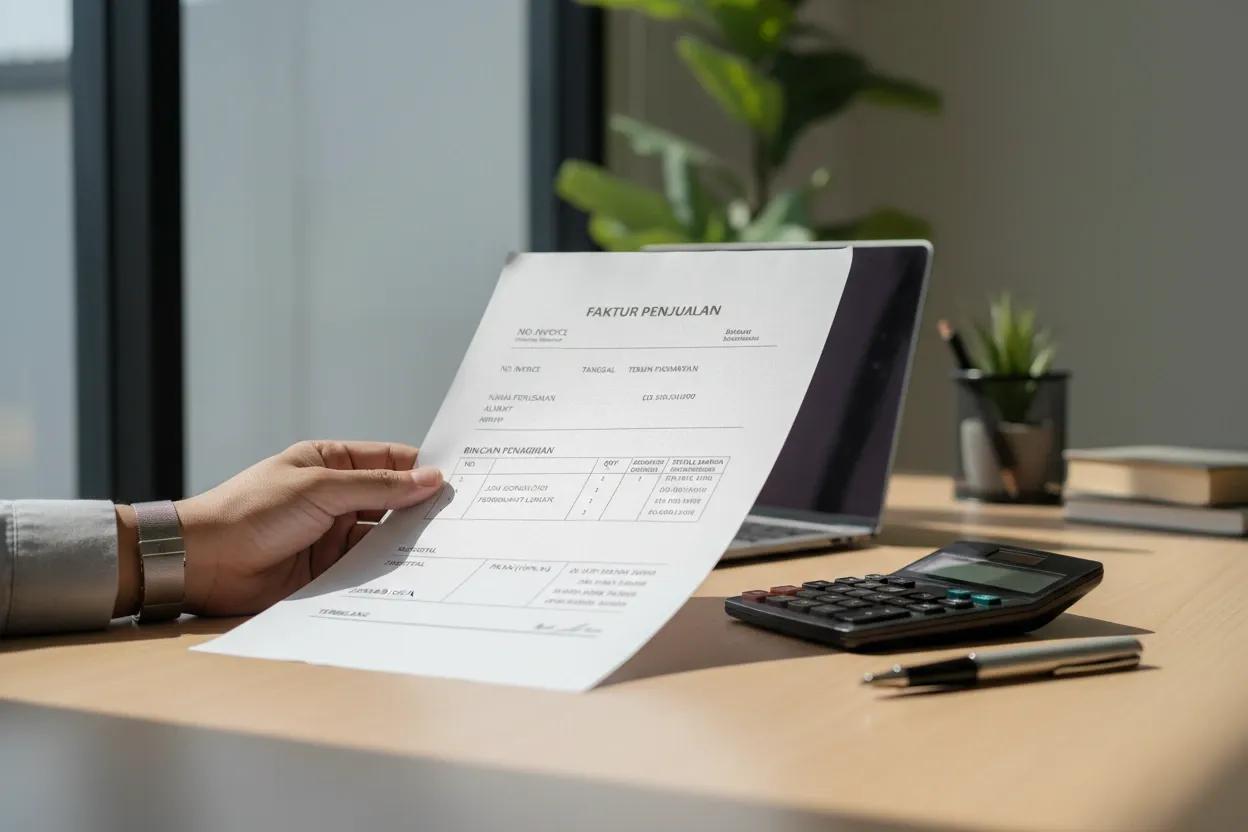
For principals and distributors, managing invoices is essential to business operations. An invoice is a formal document that records a transaction, detailing the goods or services provided, their prices, and the payment terms, serving both as a request for payment and as an official record of the sale.
In today’s fast-paced business world, the speed and accuracy of transactions are critical. Understanding the functions, types, and importance of an invoice helps businesses ensure healthy cash flow management and maintain professional relationships with clients and partners.
Definition of Invoice
An invoice is an official document that provides a detailed record of the purchase or sale of a product or service. It serves as written proof of a transaction between two parties, typically a buyer and a seller.
A standard document includes essential information such as:
- Price of the product or service
- Quantity or amount purchased
- Transaction date
- Buyer and seller details
Invoices help track sales, manage cash flow, and support tax and accounting processes, ensuring transparency, accuracy, and accountability in business operations.
Functions of an Invoice
- Records Transactions
Acts as a formal record of every business transaction, capturing key details of each purchase or sale. With organized documentation, businesses can maintain accurate financial data, support effective management, and simplify audits when verification is required. - Tax Compliance
Provides essential information for calculating taxes. Details such as item prices, quantities, and total transaction values create structured data that ensures accurate tax reporting in accordance with applicable regulations, while maintaining transparency and accountability. - Proof of Payment
An invoice functions as written evidence of a transaction between two parties. It serves as valid proof that a transaction has taken place between a company and a customer, clearly documenting the details of the goods or services provided. Both buyers and sellers can use the invoice as a reliable reference to confirm that a payment has been made or received. - Prevent Fraud
An invoice helps reduce the risk of misunderstandings or fraudulent activities in business transactions. By clearly listing items or services, quantities, and prices, it creates a transparent record. If the goods or services do not match the agreement, the document serves as a reference for resolving disputes. - Tracking Payables and Receivables
For sellers, an invoice records the amount that customers are required to pay, making it a key document for tracking outstanding receivables. It helps businesses monitor incoming payments and manage their cash flow more effectively.
For buyers, an invoice serves as a record of financial obligations that must be settled within the agreed payment terms. This allows companies to track their payables and plan payments in an organized and timely manner.
What Are the Types of Invoices?
- Sales
The most common type is used to record the sale of goods or services to a customer. It details items sold, quantities, prices, and total payment due. - Billing
Invoice bill is used to remind customers of outstanding payments. It serves as a formal notice when a payment has not yet been settled or has passed its due date. - Purchase
Issued by a supplier to a buyer to document the purchase of goods or services. It provides an official record of the transaction, including items purchased, quantities, and total amount payable. - Recurring
A recurring invoice is used when payments are made on a regular basis, such as monthly or annual billing cycles. - Return
A return invoice is issued when a purchased item is returned due to defects, errors, or other issues. It records the returned goods and adjusts the amount that the buyer is required to pay. - Proforma
Provides an estimated cost to help the buyer prepare for payment or obtain approval before completing a transaction. Issued before the actual sale, it serves as a preliminary statement of goods, pricing, and terms. - Consignment
Used when goods are delivered to a retailer or distributor, but ownership remains with the seller. It records consigned items and specifies the payment the retailer owes once the products are sold.
Streamline Your Invoicing with BOSNET Distribution Management Systems (DMS)
Take full control of your invoicing and financial operations with BOSNET Distribution Management Systems (DMS), an automated solution designed to handle, create, track, and manage invoices. Our system ensures accurate records, timely payments, and full compliance with tax regulations.
Gain real-time insights into accounts receivable and payable, prevent errors, and reduce administrative workload. BOSNET DMS helps businesses improve cash flow, secure transactions, and streamline document management.
Contact us to learn how BOSNET can streamline invoicing and optimize your financial workflow.
#BOSNET #BestFMCGRunsBOSNET #Distribution #SupplyChain #IncreaseRevenue #ReduceCost