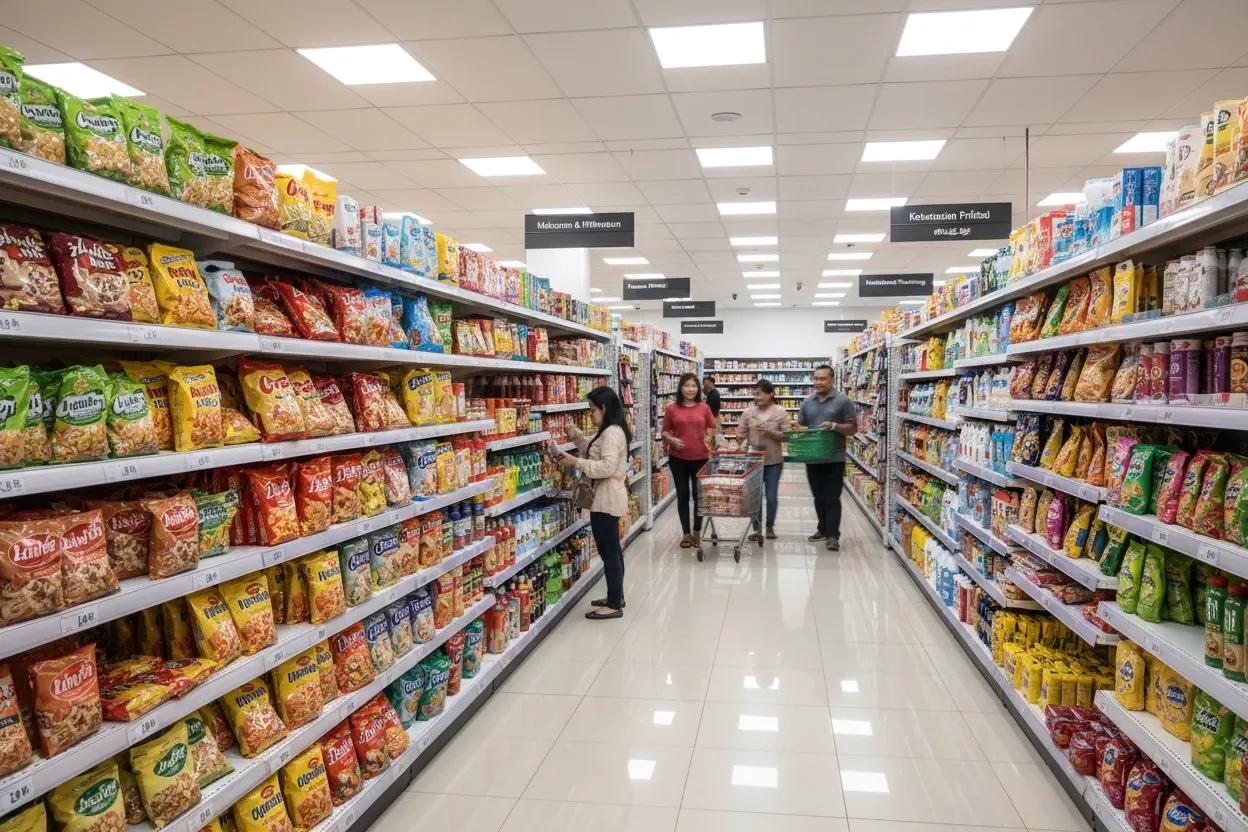
The rapid growth of modern trade has introduced a wide variety of distribution channels. From supermarkets and hypermarkets to e-commerce platforms, each channel comes with its own requirements and execution standards.
In FMCG, the emergence of multiple sales formats makes it more challenging to maintain visibility and control. Businesses often struggle to track sales activities and adapt quickly to the unique demands of each channel. Without a unified and data-driven approach, these challenges can limit operational efficiency and overall business growth.
What is Modern Trade?
Modern Trade (MT) is a distribution channel for products and services that operates through well-organized and structured retail networks. Unlike general trade, this model is designed to support efficiency, consistency, and scalability in how products reach the market.
One of the defining features of modern trade is its strong reliance on technology. Retailers in this channel use integrated systems to streamline transactions, manage supply chains, and monitor inventory in real time.
This retail model is also characterized by significantly higher transaction volumes at each point of sale. Products are usually sold in large quantities to major retail chains rather than smaller, individual stores. As a result, pricing and contracts tend to be more standardized, with less room for flexibility compared to traditional trade. Negotiations between suppliers and retailers are often governed by clear agreements and long-term partnerships.
Examples of Modern Channel
Here are some common examples of modern trading channels:
- Supermarkets
- Hypermarkets
- Minimarkets
- Convenience store chains
- Department stores
- Wholesale clubs
- E-commerce platforms
Distribution Process of Modern Trade
The distribution process in modern trade is designed to ensure efficiency, consistency, and scalability across large retail networks. Products are typically shipped from manufacturers to centralized distribution centers or large warehouses before being delivered to retail outlets.
The structure of distribution in modern trade is more complex, as it must accommodate higher transaction volumes and stricter logistical requirements. Each stage of the process is carefully managed to minimize delays, reduce costs, and ensure that products are delivered in optimal condition.
To support this, lage retail network relies on advanced inventory management systems. These systems enable real-time tracking, accurate demand forecasting, and efficient stock allocation.
Advantages of Modern Trade
Modern trade offers a range of benefits that support both operational efficiency and an enhanced customer experience. These advantages make it a preferred channel for large-scale retail distribution.
- Provides secure and well-managed storage facilities.
- Reduces the risk of fraud and protects assets.
- Managed by professionals using advanced software.
- Ensures consistent product quality.
- Increases customer engagement and loyalty.
Challenges in Modern Trade
- Supply Chain Management
Supply chain management in modern trade is more complex due to higher transaction volumes and longer distribution networks. Businesses must ensure efficiency across distribution, inventory management, and logistics to consistently meet the demands of modern retail channels. - Intense Price Competition
Price competition in this sector is highly aggressive, especially in saturated markets. Companies need to implement well-calculated pricing strategies that remain competitive while still protecting overall profitability. - Service Level Requirements
Modern trade demands a high level of service, including consistent product availability, timely delivery, and assured product quality. Meeting these expectations is essential to maintaining strong relationships with retail partners and customers.
What’s the Difference Between GT and MT?
- Goods Sold
GT typically offers a more limited, practical range of products, often driven by immediate customer demand. In contrast, MT offers a wider variety of products, displayed in a more organized, structured layout. - Pricing
In modern trade, pricing is highly competitive due to intense market competition and strategic pricing models. Discounts, promotions, and bundling are common. Meanwhile, GT pricing is generally more flexible and often influenced by direct customer interactions and local market conditions. - Operations
MT operates with standardized and technology-driven systems. Inventory, sales tracking, and merchandising are typically well-managed and efficient. On the other hand, GT remains more traditional, with manual processes and less structured operations. - Target Market
Modern trading FMCG channels tend to target middle to upper-income consumers who prioritize convenience and product variety. General trading, however, serves a broader range of customers with limited budgets. - Scale
Modern trade operates on a larger scale and is usually managed by retail chains with multiple outlets across cities or regions. This allows them to reach a wide range of market segments, including customers from outside the immediate area.
In contrast, GT businesses are usually smaller and more localized, focusing on serving the daily needs of customers within their surrounding communities.
Streamline Your Modern Trade Operations with BOSNET Solution
BOSNET helps businesses optimize their modern trade operations through smarter, data-driven solutions. Our platform enables companies to effectively manage modern retail channels, including store visit planning, outlet performance monitoring, and sales optimization across key accounts.
BOSNET solutions can be seamlessly integrated with inventory and stock management systems. This allows businesses to track and update stock data in real-time across modern retail outlets, ensuring consistent product availability and minimizing out-of-stock risks.
Contact us to learn how BOSNET can streamline and enhance your modern trade operations.
#BOSNET #BestFMCGRunsBOSNET #Distribution #SupplyChain #IncreaseRevenue #ReduceCost