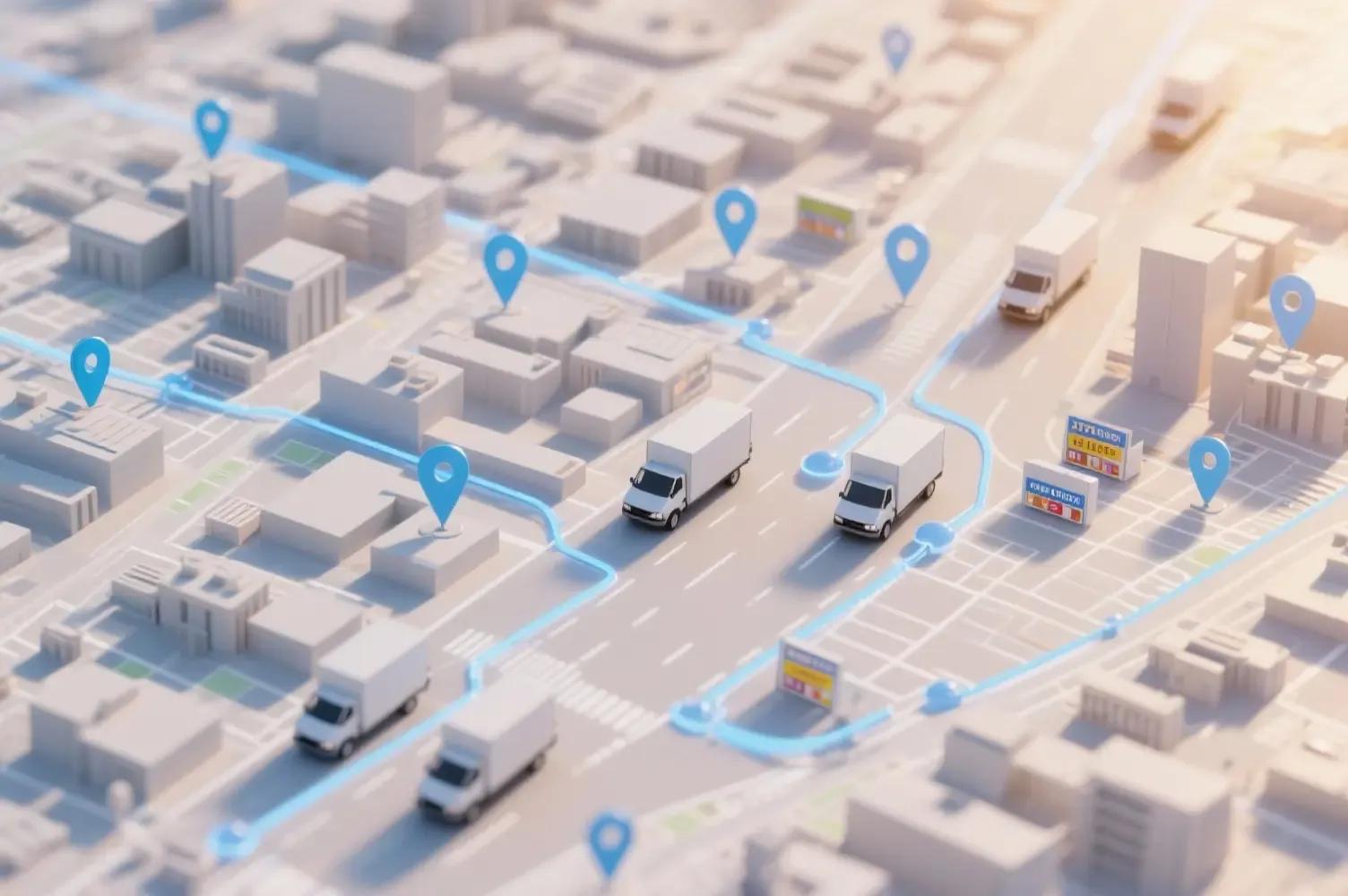
Staying competitive in the market requires efficient and organized operations. One key strategy to achieve this is route planning, which helps businesses streamline and optimize their delivery processes.
Route planning focuses on mapping the most effective routes for each delivery, ensuring products reach customers on time and reliably. It plays a crucial role in maintaining a strong market position and improving operational efficiency.
What is Route Planning?
Route Planning is a strategic process used to determine the most efficient travel route from one location to another or across multiple destinations by analyzing distance, travel time, and operational costs.
Powered by Artificial Intelligence (AI), route planning helps businesses optimize delivery logistics and sales routes. By factoring in real-time traffic and schedules, route planning enables companies to save time, reduce fuel consumption, increase productivity, and operate more cost-effectively.
Function of Route Planning For Business
- Reduce Cost
One of the biggest challenges companies face is high transportation costs, including fuel and vehicle maintenance. Without proper planning, drivers may take longer routes or make unnecessary stops, increasing fuel consumption and vehicle wear and tear.
To overcome these challenges, implementing route planning is essential. It ensures schedules and deliveries are efficient and effective, helping businesses reduce fuel usage, labor costs, and vehicle maintenance expenses. - Improve Customer Service
A positive customer experience is at the heart of every successful business. Route planning systems, often powered by AI and machine learning, optimize routes and schedules to ensure timely deliveries and efficient service, helping businesses achieve goals while keeping customers satisfied. - Boost Business Productivity
Accurate and well-planned routes can help businesses manage an increasing number of delivery destinations efficiently. While free route planning software like Google Maps offers basic stop-by-stop planning, its features are limited. In contrast, professional route planning software can help you plan routes to reach 20, 50, or even 100 stops in a single day. These advanced systems account for multiple factors, including time windows, driver shifts, the number of stops, and last-minute changes.
When Should Businesses Use Route Planning?
The following explanation outlines when and under what circumstances businesses should apply route planning to improve operational efficiency:
- Multiple Delivery Points
When managing hundreds of delivery points every day, route optimization becomes essential. It helps businesses plan the most efficient routes in seconds, saving time, reducing costs, and improving delivery efficiency. - Delivery Time Window
Some customers only accept deliveries during specific time slots, and travel times can be heavily affected by traffic. Route optimization systems overcome these challenges by adjusting schedules and delivery sequences, automatically rerouting in real time to ensure all deliveries reach their destinations efficiently and on schedule. - Control Expenses
If a business plans to control expenses, route planning is essential. By designing shorter and efficient routes, companies can lower fuel consumption, minimize driver working hours, and reduce operational costs.
BOSNET Smart Route Optimizes Your Delivery Operations
BOSNET Smart Route analyzes distance, traffic, delivery priorities, and fleet capacity to generate an efficient, executable route plan. This helps businesses save time, cut costs, and make the most of their resources.
With BOSNET solutions, businesses can ensure product availability, improve delivery performance, and maintain smooth, reliable logistics across their fleet.
Contact us to learn how BOSNET Smart Route streamlines your distribution operations.
#BOSNET #BestFMCGRunsBOSNET #Distribution #SupplyChain #IncreaseRevenue #ReduceCost