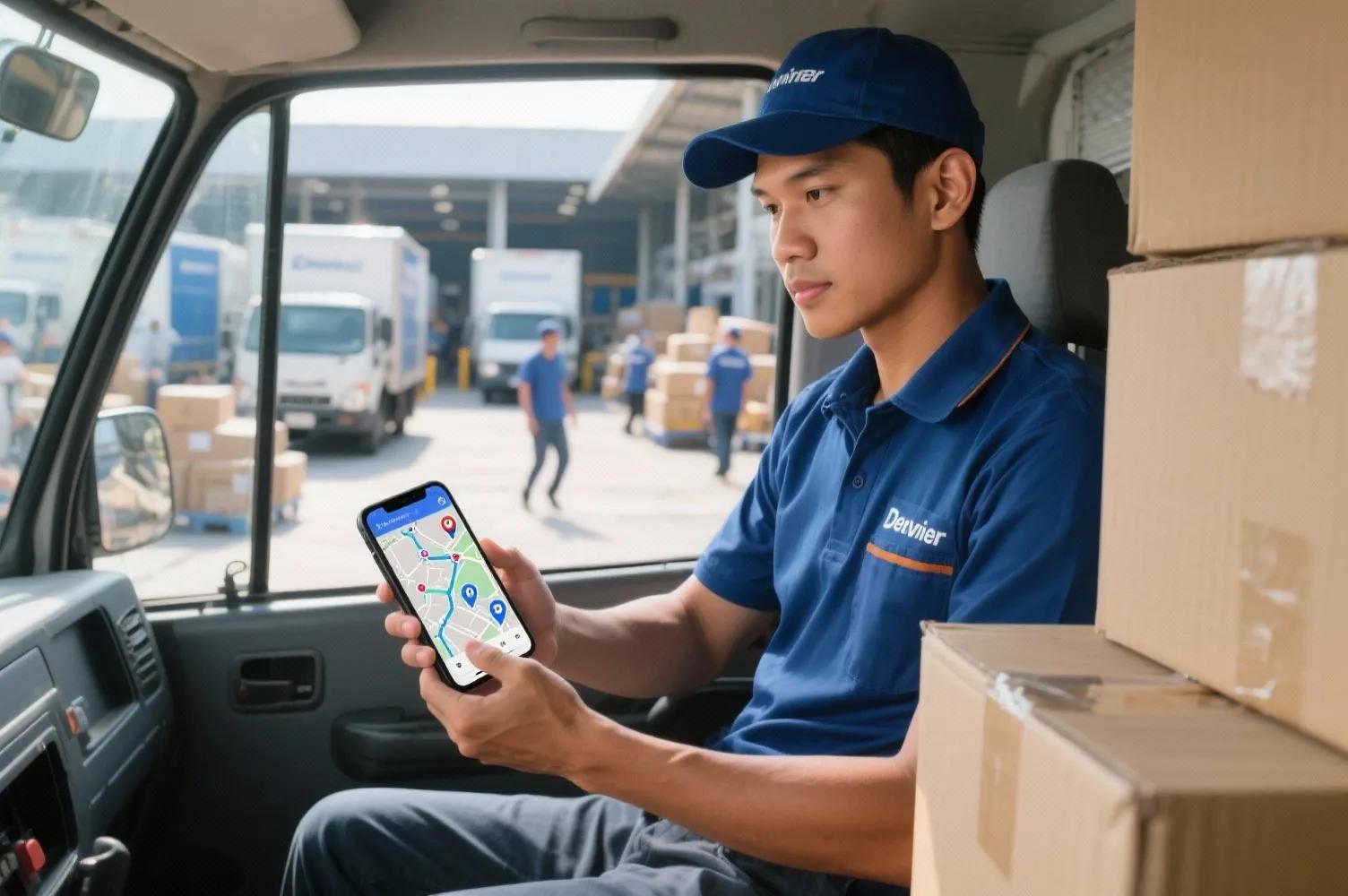
Peak season brings higher order volumes, traffic jams, and tighter delivery windows, making it hard to keep shipments on time. Without an effective delivery route, delays, higher costs, and frustrated customers become inevitable.
A smart delivery route is key to staying efficient and reliable during the busiest season. From avoiding congestion to choosing the right vehicle, these 7 tips will help you optimize your delivery route and keep operations running effectively.
Peak Season Delivery Route Challenges
Peak season presents significant operational challenges for delivery teams. Without a structured plan, shipments can be delayed, and costs may increase.
Below are the key challenges businesses face during peak season:
- High Order Volume
During peak periods such as year-end holidays, promotional campaigns, or seasonal demand surges, order volumes often increase dramatically. This surge requires careful coordination across delivery teams to ensure shipments are allocated efficiently and routes are optimized. - Traffic Congestion
Unexpected traffic conditions, road closures, and adverse weather can significantly disrupt delivery schedules. Congestion not only increases travel time but also leads to higher fuel consumption and delays, directly impacting the delivery network. - Limited Fleet and Drivers
While order volumes rise during peak season, the size of the fleet and availability of delivery personnel often remain fixed. This imbalance puts pressure on scheduling and load management, forcing teams to make difficult decisions about which deliveries take priority. - Rising Operational Costs
Peak season often drives operational costs higher due to increased fuel consumption, overtime payments, and emergency dispatches. Inefficient routing and poor delivery planning can further increase costs. Implementing software that optimizes delivery routes ensures operations remain cost-effective and efficient.
7 Strategies to Improve Delivery Routes
- Group Deliveries
Organizing shipments by geographic location helps businesses save fuel and ensure optimal delivery routes. Multiple orders within the same area can be delivered in a single trip, reducing the risk of delays and improving overall efficiency. Strategically grouping deliveries also enhances customer satisfaction by minimizing late deliveries during the busiest times of the year. - Create Delivery Plans
Every delivery needs a clear plan. Without a delivery plan, operations can become disorganized, and the delivery team may get confused about priorities and routes. A well-structured delivery plan provides clear instructions, ensures tasks are properly coordinated, and helps the team stay on schedule. - Maximize Load
Fast delivery is not only about timely arrivals but also about ensuring that shipments match the vehicle’s capacity. Overloading increases safety risks, while underloading wastes fuel and increases operational cost. Matching each shipment to the right vehicle capacity helps improve safety and keeps delivery operations efficient and cost-effective. - Choose the Right Transportation Mode
Every delivery route presents different challenges. The selected fleet must match the destination’s access, distance, and delivery conditions. Choosing a vehicle with the right capacity and compatibility with route conditions helps minimize delays and control operational costs. - Avoid High Traffic Route
Avoid high-traffic routes to keep deliveries running smoothly during peak season. Road conditions can change quickly, and getting stuck in traffic wastes both time and fuel. Plan ahead by using a route optimization software to find the optimal delivery route. Choosing roads with lighter traffic helps prevent delays and keeps delivery schedules on track. - Conduct Evaluations to Maintain Delivery SLA
During peak season, delivery operations face higher pressure, making route plan essential. Increased order volumes, traffic congestion, and tight delivery windows require flexible route planning supported by real-time data. By using digital tools to monitor performance and adjust routes, businesses can maintain delivery speed, meet SLA targets, and keep operations running efficiently. - Use a Route Optimization Software
Route optimization software is essential, especially during peak season. It automatically identifies the most efficient routes, reducing travel time, fuel consumption, and operational effort. The system also provides accurate estimated arrival times, supporting precise scheduling for follow-up deliveries. With route optimization software, distribution runs smoothly and efficiently, even under high-demand conditions.
Streamline Delivery Routes with BOSNET Smart Route
Planning an optimal delivery route requires a coordinated logistics system that can manage routes, priorities, and capacity effectively. Many businesses still encounter stockouts, delivery delays, and increasing operational costs due to fragmented processes.
BOSNET Smart Route Optimization analyzes distance, traffic, delivery priorities, and fleet capacity to produce an executable route plan. This helps businesses maintain product availability, improve delivery performance, and gain better control over operational costs.
Contact us to schedule a consultation and see how BOSNET Smart Route supports your distribution operations.
#BOSNET #BestFMCGRunsBOSNET #Distribution #SupplyChain #IncreaseRevenue #ReduceCost #ProtectAssets