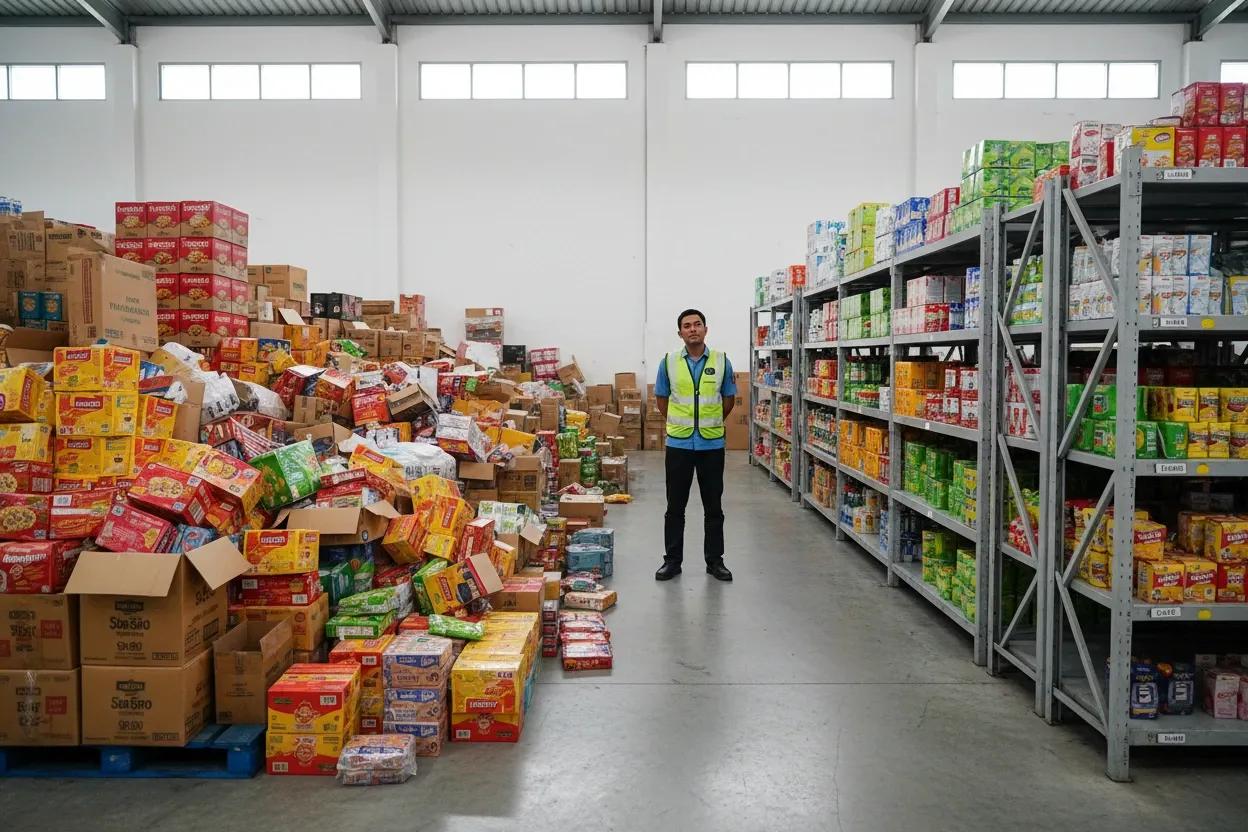
Managing inventory comes with its own set of challenges, and one of the most common issues businesses face is overstock. When stock levels exceed actual demand, it creates an imbalance that affects how inventory flows across the supply chain.
Overstock can directly impact operational efficiency, from increased storage costs to limited warehouse capacity and reduced cash flow. To address both overstock and dead stock, companies need to improve how they manage inventory.
Implementing technology such as a warehouse management system allows businesses to gain better visibility, control stock movement, and make data-driven decisions.
What is Overstock?
Overstock is a condition where the quantity of inventory stored in a warehouse exceeds actual market demand. This typically occurs due to inaccurate planning and the inability to keep pace with dynamic market trends.
While often associated with retail, overstock is a critical challenge across the manufacturing, distribution, and e-commerce sectors. It results in a significant waste of resources and increased operational costs. The risk of overstock is particularly high when companies rely on manual management systems that are not integrated with real-time sales data.
Impact of Overstock on Business
Overstock can create a range of negative effects that directly influence operational performance and financial stability. When inventory levels exceed actual demand, several key issues can arise across the supply chain:
- High Storage Cost
Unsold or excess goods need to be stored in warehouses or other storage facilities. This increases storage and logistics expenses, including handling, space usage, and maintenance costs. - Decrease in Product Value
To reduce excess inventory, businesses often lower product prices. While this helps move stock, it reduces the overall value of the goods and can lower profit margins. - Limited Warehouse Space
Excess inventory takes up valuable storage space that could otherwise be used for products with higher demand or better turnover. This can reduce operational flexibility and slow down warehouse activities. - Reduced Cash Flow
Selling overstocked items at discounted prices can reduce incoming cash flow. The impact becomes more significant when products are sold below their purchase or production cost. - Inventory Management Issues
Excess inventory reduces visibility over stock movement and makes records harder to maintain accurately. It also limits the ability to forecast market demand in real time, especially when systems are not integrated with current sales data.
Causes of Overstock
Overstock does not happen without reason. In most cases, it is the result of gaps in planning, data accuracy, and inventory control. Below are some of the most common causes.
- Inaccurate Sales Forecasting
Overstock often starts with poor sales forecasting. This can be caused by weak market analysis or the use of outdated and irrelevant historical data. In addition, changes in consumer trends and external factors such as economic conditions or pandemics can quickly shift demand levels, making previous forecasts no longer valid. - Overproduction
Producing more goods than the market needs is another major cause of overstock. This usually happens due to weak production planning, lack of coordination with inventory levels, or sales targets that are set too high. As a result, stock continues to build up without matching demand. - Poor Inventory Management
Inaccurate stock data can lead to wrong decisions in purchasing or production. When inventory records do not reflect actual conditions, businesses may continue adding stock unnecessarily.
To address this, companies can use a warehouse management system to gain accurate data, track inventory movement, and gain real-time visibility. Without a proper system in place, excess stock can remain unsold for too long and eventually turn into dead stock.
How to Solve Overstock with Warehouse Management System (WMS)
Managing overstock requires better control, accurate data, and the right technology. One of the most practical approaches is the use of an inventory management system, which helps the FMCG industry monitor, analyze, and plan inventory more efficiently.
- Real-Time Inventory Visibility
An inventory management system allows companies to monitor stock levels in real time. With clear visibility, FMCG companies can access complete information about stored products, including quantity, location, and movement. - Data Analysis and Accurate Demand Forecasting
An integrated system enables accurate warehouse data management. Companies can use historical data to evaluate stock movement and improve operational planning.
In addition, the data stored in the system can support demand forecasting. By understanding customer behavior and market trends, businesses can plan procurement more precisely and avoid purchasing or producing unnecessary stock. - Choosing the Right Inventory Management Method
Selecting an inventory management method that fits your business needs is essential to control stock levels. One of the most commonly used approaches, especially in FMCG companies, is the FIFO (First In, First Out) method.
With FIFO, products that enter the warehouse first are prioritized for distribution or sale. This helps maintain product quality, reduces the risk of items sitting too long in storage. - Promotional Campaigns
Running promotional campaigns can help reduce excess stock before it becomes dead stock. Businesses can offer discounts, bundle deals, or clearance sales to accelerate product movement.
This approach not only frees up warehouse space but also helps recover part of the investment tied up in overstocked items.
BOSNET Warehouse Management System to Solve Overstock
BOSNET Warehouse Management System automates warehouse operations, providing FMCG businesses with real-time tracking and full visibility across all locations. Our solutions keep stock accurate and easy to manage, reducing errors and improving efficiency.
With its self-correcting system, BOSNET Warehouse Management System automatically updates inventory records based on the latest physical activity, delivering precise data for smarter decision-making and helping FMCG businesses increase revenue, reduce costs, and protect assets.
Contact us to see how BOSNET can optimize your warehouse
#BOSNET #BestFMCGRunsBOSNET #Distribution #SupplyChain #IncreaseRevenue #ReduceCost