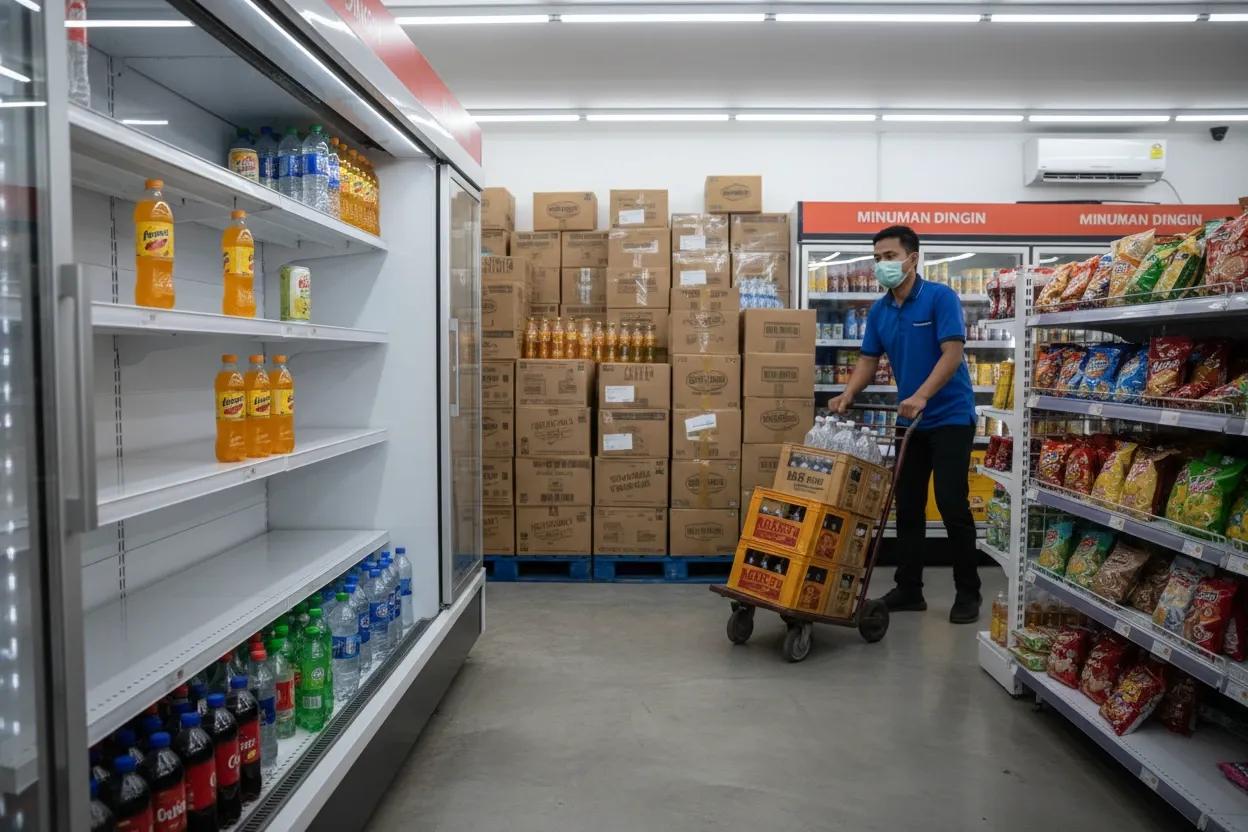
Safety stock is essential in the FMCG industry where product availability directly impacts sales performance. Customers expect products to be consistently available on the shelf, and even a short stockout can lead to lost sales and reduced customer trust.
Without safety stock, businesses become exposed to sudden changes in demand and unexpected supply delays, which often results in empty shelves at critical moments.
What is Safety Stock?
Safety stock is an additional inventory buffer held by a business to protect against uncertainty in demand and supply. It acts as a safeguard when customer demand is higher than expected, or when there are delays or disruptions in the supply chain from suppliers.
The primary purpose of safety stock is to prevent stockouts. Running out of inventory can lead to lost sales, disrupted operations, and reduced customer trust and loyalty.
Benefits of Safety Stock in FMCG Businesses
In the FMCG (Fast-Moving Consumer Goods) industry, product turnover is extremely high and demand can change rapidly. That’s why safety stock plays a critical role in maintaining operations and product availability.
Below are the key benefits for FMCG businesses:
- Anticipate Demand Changes
Consumer demand in FMCG is often unpredictable. It can increase suddenly due to seasonal trends, promotions, or changes in consumer behavior. Safety stock helps companies stay prepared for these fluctuations by providing an additional layer of inventory that can be used when demand rises.
Without buffer stock, businesses risk running out of products at the worst possible time, especially when the market is unstable. By maintaining a buffer, companies can ensure product availability remains consistent, even when demand patterns shift unexpectedly. - Managing Supplier Delays
In the supply chain, delays are almost unavoidable. Transportation, production setbacks, or logistical issues can impact deliveries. Safety stock ensures the business still has enough inventory while waiting for incoming supply. This keeps production and distribution running without interruption, even when shipments are late. - Flexible Inventory Management
Instead of reacting urgently to every change in demand or supply, businesses have more room to plan and adjust. This makes inventory control more stable and reduces pressure on the supply chain. - Reduce Cost
Running out of stock can lead to penalties, canceled orders, or lost sales opportunities. These costs are often higher than the cost of holding extra inventory. Safety stock helps prevent these situations by ensuring products are always available. - Minimize the Risk of Stockout
The main purpose of safety stock is to avoid stockouts. When demand suddenly increases or supply is delayed, safety stock ensures products are still available in the market.
How to Manage Safety Stock in FMCG
- Monitor Market Trends
Market trends are constantly evolving. Changes in consumer behavior, seasonality, promotions, and external factors can quickly influence demand patterns. Because of this, businesses need to actively and continuously monitor the market. Regular tracking helps companies stay responsive, identify early signals of change, and make timely adjustments to their inventory and planning strategies. - Update Sales Forecast
Sales forecasting should be an ongoing process, not a one-time activity. Historical sales data plays a key role in understanding demand patterns and predicting future needs. By continuously analyzing past performance, businesses can improve forecast accuracy. - Use an Automated Replenishment
An automated replenishment system helps maintain optimal inventory levels by automatically restocking goods when inventory falls below a defined threshold. This reduces the risk of human error, prevents stockouts, and ensures availability.
Keep Your Shelves Stocked with BOSNET Replenishment
BOSNET replenishment helps optimize your restocking process, ensuring FMCG companies maintain consistent product availability across all outlets. With real-time inventory monitoring, businesses can keep sales operations running efficiently while minimizing delays and stockouts.
Contact us to see how BOSNET can optimize your replenishment.
#BOSNET #BestFMCGRunsBOSNET #Distribution #SupplyChain #IncreaseRevenue #ReduceCost