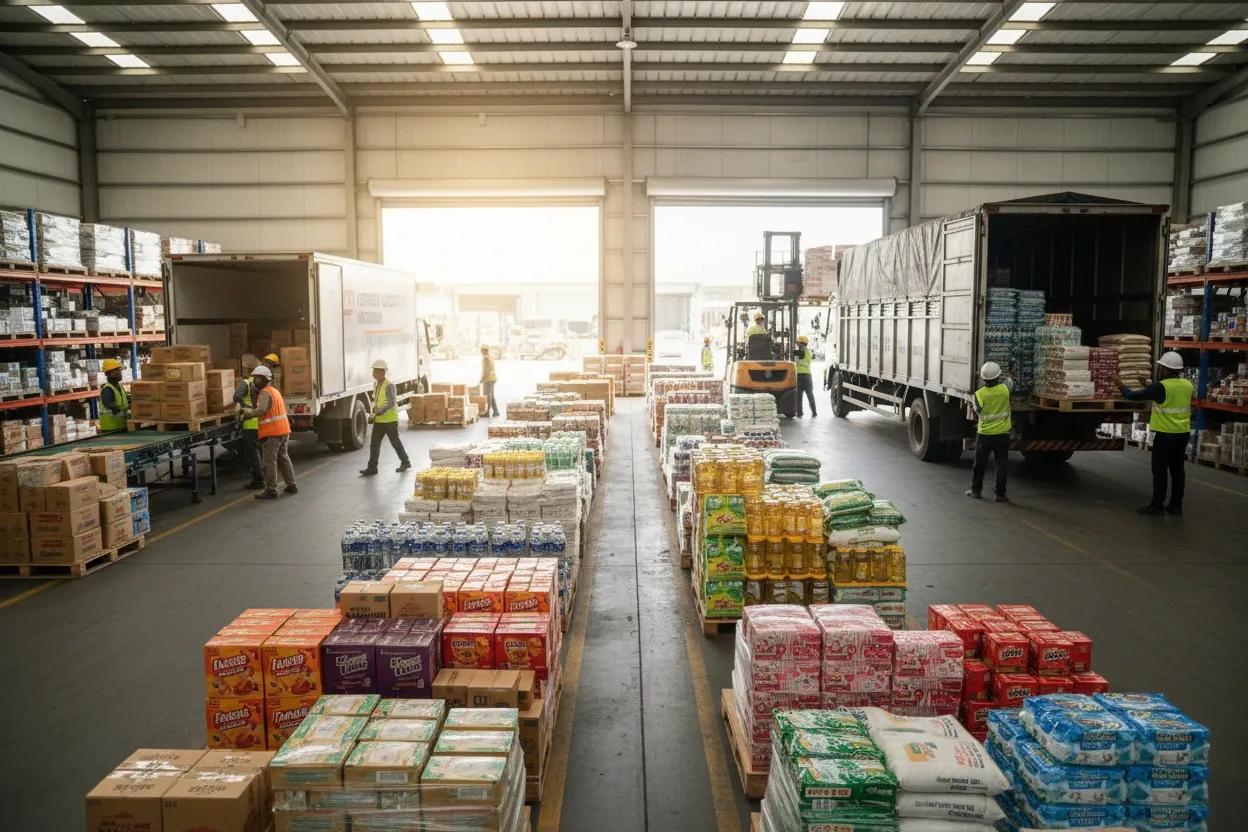
In logistics, the terms inbound and outbound logistics are widely used, especially in industries with high distribution activity such as FMCG.
Despite their importance, many businesses still face challenges in managing these processes effectively. Without a clear understanding of how inbound and outbound logistics work, companies may experience delays, inefficiencies, and disruptions that impact operations and customer satisfaction.
What is Inbound and Outbound in Logistics?
Inbound and outbound logistics are two key components of the supply chain. Both are closely connected and play an important role in ensuring that goods move efficiently from suppliers to customers.
Inbound logistics refers to the process of managing incoming goods. This includes activities such as receiving raw materials, handling deliveries from suppliers, and storing items in the warehouse. The goal is to ensure that all required materials are available in the right quantity and condition.
Outbound logistics, on the other hand, focuses on the movement of goods from the company to the customer. It covers order preparation, packaging, and shipping.
Together, inbound and outbound logistics help maintain a steady flow of goods, support efficient inventory management, and ensure customer needs are met consistently.
Challenges of Inbound Logistics
Inbound logistics in the FMCG industry comes with several challenges due to high product turnover and dependency on multiple supply sources. Managing the flow of incoming goods requires accuracy, coordination, and the ability to respond to changing conditions. Below are some of the common challenges companies faced:
- Dependence on Suppliers
Inbound logistics heavily relies on supplier performance. When suppliers fail to deliver products on time, or the quality does not meet required standards, it can disrupt the entire supply chain.
These issues directly impact operational efficiency, especially in FMCG where production and distribution depend on consistent material availability. To reduce this risk, companies need to carefully evaluate and select suppliers. - Missing Data and Information
A lack of accurate and timely information can slow down inbound logistics processes. When data related to incoming shipments, inventory status, or delivery schedules is incomplete or unavailable, it becomes difficult to manage operations effectively.
To address this, FMCG companies can adopt information systems such as Distribution Management Systems (DMS). With the right technology in place, data can be captured automatically and accessed in real time. - Increase in Shipments and Receipts
Inbound logistics often faces sudden increases in shipment and receiving volumes, especially during promotions, holiday seasons, or unexpected spikes in demand.
These surges can create imbalances between supply and capacity, leading to delays and congestion in warehouse operations. To manage this, companies need to rely on accurate sales forecasts.
Challenges of Outbound Logistics
On the distribution side, outbound also faces several challenges that can impact delivery efficiency and customer satisfaction. Managing the movement of goods to customers requires careful planning, cost control, and accurate inventory management.
- High Transportation Cost
Transportation costs are one of the main challenges in outbound logistics. High costs can directly affect company margins, especially in FMCG where distribution happens frequently and at scale.
Several factors influence these costs, including distance, shipment volume, delivery routes, and the type of service used. Without proper planning, expenses can quickly increase. To address this, companies can use route optimization software that evaluates and selects the most efficient delivery routes. - Inventory Management
Holding too much stock can lead to high storage costs, product depreciation, and risks such as damage or expiration. On the other hand, insufficient inventory can result in failed deliveries.
To manage this balance, companies need better inventory planning based on accurate demand analysis. Implementing a warehouse management system can also help improve stock visibility, control inventory levels, and support order fulfillment processes.
How to Optimize Inbound and Outbound Logistics
In the FMCG industry, where operations move quickly, companies need a clear approach to keep goods flowing efficiently from suppliers to customers.
- Analyze Process
The first step is to analyze and map each stage of the logistics process. This includes reviewing how goods are received, stored, processed, and delivered. By breaking down each step, companies can identify weak points, delays, and inefficiencies. - Implement Technology and Software
Technology plays a key role in improving the efficiency of both inbound and outbound logistics. BOSNET provides a range of solutions designed specifically to support FMCG distribution operations, from warehouse management to last-mile delivery.
• Distribution Management System (DMS): Supports end-to-end distribution processes, from order management to stock monitoring across every distribution point.
• Warehouse Management System (WMS): Improves inventory control and warehouse operations with real-time visibility.
• Mobile Distribution: Helps field sales teams record activities, manage orders, and update data directly from the field.
• Route Optimization: Identifies the most efficient delivery routes to reduce travel time and transportation costs. - Train Field Teams
Field teams are directly involved in the distribution. Providing proper training helps them understand logistics processes and their role in maintaining efficiency. - Monitor and Evaluate
Continuous monitoring is necessary to ensure logistics processes run as planned. By tracking key metrics such as delivery time, order accuracy, and inventory levels, companies can evaluate performance on a regular basis.
This allows businesses to identify issues early and make adjustments when needed. Regular evaluation helps maintain consistency and ensures that both inbound and outbound logistics continue to improve over time.
150+ Renowned Brands Trust BOSNET for Their Distribution
Over 150 brands rely on BOSNET to manage their distribution and sales processes efficiently. BOSNET provides an end-to-end solution for distributors to track operations, performance, and sales in real time.
Contact us to see how BOSNET can streamline your operations and deliver real-time visibility across your distribution network.
#BOSNET #BestFMCGRunsBOSNET #Distribution #SupplyChain #IncreaseRevenue #ReduceCost